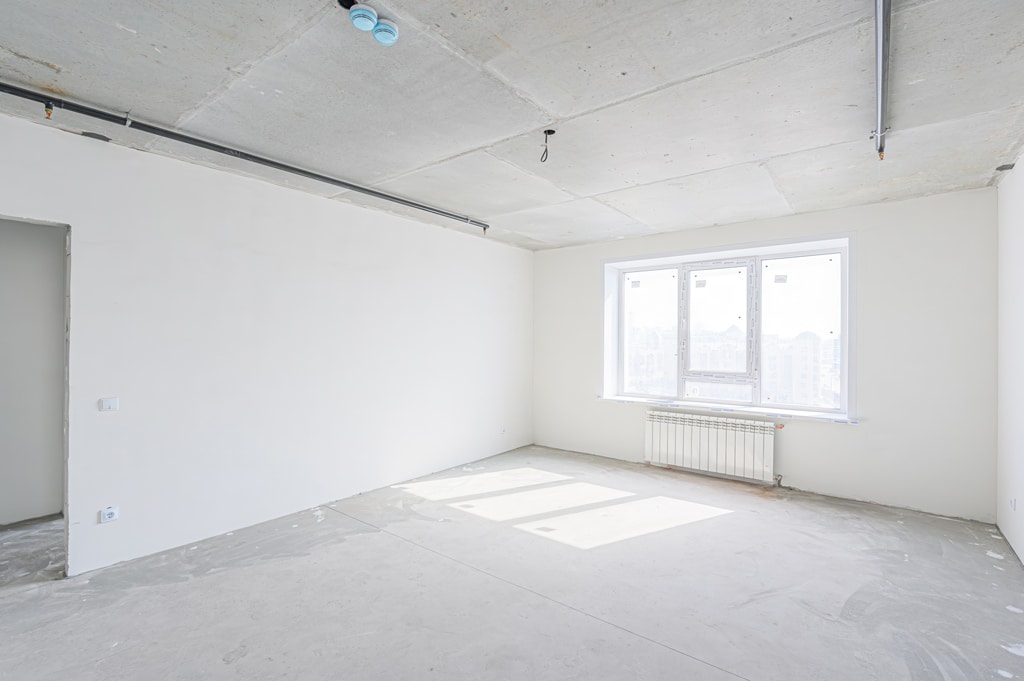
Domestic fire sprinkler systems are becoming an increasingly important part of home fire safety in the UK. As homes become more open-plan, loft conversions more common, and living spaces more complex, traditional fire protection measures are no longer enough on their own. This guide explains exactly what domestic fire sprinkler systems are, how they work, when they are required, and why more homeowners are choosing to install them for peace of mind and protection.
Fire safety in the home is often misunderstood. Many people assume smoke alarms provide sufficient protection, yet alarms only warn you that a fire has started. Domestic fire sprinkler systems go a step further by actively controlling the fire, often preventing serious damage or injury before the fire service arrives.
What is a domestic fire sprinkler system?
A domestic fire sprinkler system is an automatic fire suppression system designed specifically for use in private homes and residential dwellings. These systems detect heat from a developing fire and release water directly onto the fire source, reducing heat, controlling flames, and limiting smoke production.
Unlike commercial systems, domestic sprinklers are designed with life safety as the primary objective. Their purpose is to protect occupants, give valuable time to escape, and reduce the risk of fire spreading throughout the property.
Modern domestic systems are compact, discreet, and carefully integrated into the building fabric. Sprinkler heads can be concealed or flush-mounted, meaning they do not impact the look or feel of your home.
How domestic fire sprinkler systems work
Domestic fire sprinkler systems operate automatically and independently. Each sprinkler head responds only to heat in its immediate area, not smoke or manual activation. This ensures water is discharged only where it is needed.
When a fire starts, the temperature around the sprinkler head rises rapidly. Once it reaches the activation threshold, typically between 57°C and 68°C, the heat-sensitive element releases and water flows directly onto the fire.
By attacking the fire early, the system reduces flame spread, limits smoke, and prevents temperatures from reaching dangerous levels. In many cases, a single sprinkler head is enough to control or extinguish a fire entirely.
Because systems are designed using hydraulic calculations, water is delivered at the correct pressure and flow rate to achieve effective suppression without unnecessary discharge.
Why domestic fire sprinkler systems save lives
Fire spreads quickly. In a modern home, flashover can occur within minutes, leaving very little time for occupants to escape. Domestic fire sprinkler systems interrupt this process at the earliest stage.
By controlling the fire before it grows, sprinklers dramatically improve survivability. Lower temperatures reduce the risk of burns, while reduced smoke levels improve visibility and breathing conditions during evacuation.
Sprinklers are particularly effective at night. Fires that start while occupants are asleep are among the most dangerous, as reaction times are slower. A sprinkler system does not rely on someone waking up, hearing an alarm, or taking action. It responds automatically.
For families with young children, older occupants, or anyone with mobility challenges, this protection is invaluable.
Domestic fire sprinkler systems versus smoke alarms
Smoke alarms are essential and legally required in UK homes. However, they are a warning system, not a suppression system. Their effectiveness depends on human response.
Domestic fire sprinkler systems complement smoke alarms by controlling the fire itself. Together, they create a layered fire safety approach that significantly improves outcomes.
It is also worth noting that sprinklers reduce property damage. Fires controlled early often result in far less damage than fires tackled by the fire service using hoses, which release far greater volumes of water across multiple rooms.
Types of domestic fire sprinkler systems
Domestic fire sprinkler systems in the UK are typically designed in accordance with BS 9251:2021, the British Standard for residential sprinkler systems. The system type selected depends on the property layout, size, and available water supply.
Most domestic installations fall into one of the following categories:
- Mains-fed systems, which connect directly to the property’s water supply and are suitable where water pressure and flow are sufficient
- Pump and tank systems, which store water on site and use a dedicated pump to ensure reliable performance, often used in larger homes or where mains supply is limited
Both system types offer effective protection when designed correctly. The choice is based on suitability, compliance, and reliability rather than cost alone.
Are domestic fire sprinkler systems required in UK homes?
In England and Wales, domestic fire sprinkler systems are mandatory in certain types of residential buildings, including new high-rise residential buildings and some specialist housing. Requirements may also apply to care homes, supported living, and buildings housing vulnerable occupants.
For private homes, sprinklers are not always legally required, but they are increasingly recommended by fire authorities, insurers, and building professionals. Many homeowners choose to install systems voluntarily as part of new builds, extensions, or major renovations.
Local authority guidance and building control expectations can vary, particularly where open-plan layouts or loft conversions are involved. Early consultation with a sprinkler specialist helps ensure compliance and avoids costly redesigns.
Installing a domestic fire sprinkler system in a home
The installation process begins with a site survey. This assessment considers property layout, fire risk, water supply, and building structure. Based on this information, a bespoke system design is created.
Design work includes sprinkler head positioning, pipe routing, hydraulic calculations, and coordination with other building services. Care is taken to ensure the system integrates seamlessly with the home.
Installation is carried out by trained engineers and is typically straightforward, especially in new builds or during renovation works. Retrofitting is also possible and can often be completed with minimal disruption.
Once installed, the system is tested and commissioned to ensure correct operation before handover.
What does a domestic fire sprinkler system cost?
The cost of domestic fire sprinkler systems in the UK varies depending on property size, system type, design complexity, and installation method. Homes with multiple storeys, large footprints, or limited water supply may require more complex systems.
Although costs vary, domestic sprinklers are often more affordable than many homeowners expect, particularly when installed during construction or refurbishment.
When considering cost, it is important to look beyond installation. Fire sprinkler systems protect lives, reduce damage, and can prevent the emotional and financial impact of a serious fire. For many homeowners, this peace of mind outweighs the initial investment.
Common myths about domestic fire sprinkler systems
One of the most persistent myths is that sprinklers cause unnecessary water damage. In reality, sprinkler systems use far less water than fire service hoses. A single sprinkler head releases water only where needed.
Another misconception is accidental activation. Modern sprinkler heads are extremely reliable and do not activate due to smoke, steam, or cooking fumes. Heat is required to trigger operation.
Aesthetic concerns are also outdated. Today’s systems offer concealed and low-profile sprinkler heads that blend into ceilings and interiors.
Maintenance and servicing of domestic fire sprinkler systems
Domestic fire sprinkler systems require minimal maintenance, but regular checks are essential to ensure continued reliability. Annual servicing is recommended, particularly where systems include pumps or water storage tanks.
Routine inspections confirm that components remain in good condition and that the system will operate as intended if needed. Proper maintenance ensures compliance with standards and protects the long-term value of the system.
Why more homeowners are choosing sprinklers
Home design trends have increased fire risk in subtle ways. Open-plan layouts allow fires to spread more quickly. Modern furnishings burn faster and hotter. At the same time, homes are expected to be flexible, comfortable, and visually appealing.
Domestic fire sprinkler systems address these challenges without compromising design. They offer protection that works silently in the background, ready to respond instantly if needed.
As awareness grows, sprinklers are becoming a logical choice for homeowners who value safety, resilience, and future-proofing.
Final thoughts
Domestic fire sprinkler systems provide one of the most effective forms of fire protection available for homes in the UK. By detecting and controlling fires at the earliest stage, they protect lives, limit damage, and provide reassurance that alarms alone cannot offer.
Understanding how these systems work and when they are appropriate allows homeowners to make informed decisions about fire safety. Whether for a new build, renovation, or existing home, domestic sprinklers offer lasting protection for what matters most.