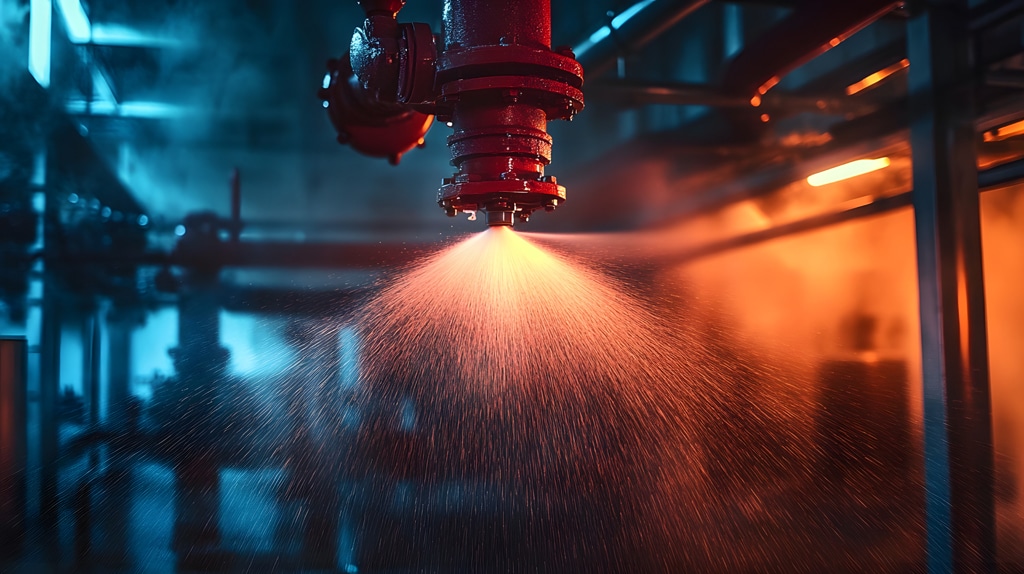
Are fire sprinkler systems mandatory in the UK? Many property owners, landlords, and business managers ask this question. The answer depends on building type, height, use, and fire safety regulations. In this blog, we cover current UK laws, where sprinklers are required, future changes, and what you need to know today. Fire sprinklers save lives, reduce damage, and help buildings comply with regulations. If you manage a property or plan construction, understanding these rules is essential.
Fire Safety Law and Building Regulations in the UK
UK fire safety law protects life and property. England and Wales follow the Regulatory Reform (Fire Safety) Order 2005. Scotland has the Fire (Scotland) Act 2005. Northern Ireland has its own Fire and Rescue Services Order. These laws require fire risk assessments, safe escape routes, and appropriate fire precautions. The law itself does not make sprinklers compulsory for every building. Sprinkler requirements come from building regulations. Approved Document B in England and Wales gives detailed guidance on fire safety. Scotland uses Technical Handbooks. Northern Ireland follows equivalent technical standards. Buildings are assessed individually to decide if sprinklers are mandatory.
When Are Fire Sprinkler Systems Mandatory in the UK?
Sprinklers are mandatory in certain buildings but not all. High-rise residential buildings over specific heights must have automatic fire suppression. Changes after the Grenfell Tower fire made this requirement stricter. Schools, hospitals, and care homes often need sprinklers because occupants may not evacuate quickly. Buildings storing hazardous materials or having high fire risk may also need sprinklers. Some commercial buildings with large open spaces or significant stock are required to install them. Local building control uses risk assessments and Approved Document B to decide.
Residential Building Requirements
Residential blocks are the most affected. New flats over 18 metres or six storeys in England and Wales must have sprinklers. Scotland requires sprinklers in residential buildings over 11 metres. Northern Ireland has slightly different height rules. These changes came from government reviews on high-rise safety. Low-rise houses and flats rarely need sprinklers. Some local authorities or insurers may still encourage them. Installing sprinklers in these buildings improves safety even if not mandatory.
Commercial and Public Buildings
Commercial buildings face variable requirements. Offices, retail, hotels, and warehouses may need sprinklers depending on fire risk, occupant numbers, layout, and stored materials. Large warehouses with combustible stock almost always require sprinklers. Public buildings such as theatres and community halls often need them if many people gather. Even if not mandatory, sprinklers reduce fire damage, smoke, and heat. They protect occupants and lower insurance costs. Local building control officers guide whether a sprinkler system is necessary.
Fire Risk Assessments
Every building owner or employer must carry out a fire risk assessment. The assessment identifies hazards, evaluates risks, and recommends precautions. Sprinklers may not always be legally required but are highly recommended. Assessors can advise if installing a sprinkler system meets legal safety duties. Regular reviews are essential, especially if the building use changes. Keeping accurate records ensures compliance with fire safety law and building regulations.
British Standards for Sprinkler Systems
When sprinklers are required, they must meet British Standards. BS EN 12845 sets rules for design, installation, commissioning, and maintenance. Systems must be designed by qualified engineers using approved components. Regular servicing and testing are mandatory. Fire authorities and building control check that systems comply. Proper maintenance ensures reliability and legal compliance.
Future Changes to UK Sprinkler Requirements
Fire safety law is evolving. The UK Government and devolved administrations consider expanding mandatory sprinkler requirements. Some local authorities may require sprinklers for planning approval. Future rules may include more residential developments. The trend is toward wider adoption of sprinklers in high-risk and tall buildings. Early installation saves lives and reduces property damage. Staying informed ensures buildings remain compliant with future laws.
Benefits of Installing Sprinklers Even When Not Mandatory
Even if not legally required, sprinklers offer significant advantages. They detect and suppress fires quickly. Reduce fire spread, smoke, and heat. They protect occupants during evacuation. They limit property damage and can lower insurance premiums. Modern systems activate only where heat triggers sprinklers, preventing unnecessary water damage. Many property owners choose to install sprinklers proactively.
What to Do Next
If you own or manage a building in the UK: check if your building requires sprinklers under current regulations. Carry out a professional fire risk assessment. Consult building control before construction or renovation. If sprinklers are needed, use qualified engineers and comply with BS EN 12845. Maintain the system with regular inspections and servicing. Adding sprinklers improves safety and helps you meet legal duties.
Final Thoughts
Are fire sprinkler systems mandatory in the UK? For high-rise residential blocks and many high-risk buildings, yes. For low-rise homes and most commercial properties, they may not be legally required, but are strongly recommended. Fire safety law continues to evolve, and the trend is toward wider adoption. Installing sprinklers protects lives, reduces damage, and ensures compliance. Get professional advice if you are unsure about the requirements for your building.