Caring for residents with dementia requires a careful balance between safety and independence. Fire safety measures must protect vulnerable people while preserving dignity and freedom of movement. Fire sprinklers in dementia care homes play a critical role in achieving that balance. They reduce fire risk without creating restrictive environments for residents.
Many care homes support people who cannot respond quickly during emergencies. Cognitive impairment, mobility challenges, and confusion during alarms all increase the danger of fire incidents. Because of this, the UK has strengthened fire safety expectations across the care sector. The installation of sprinkler systems forms a major part of that strategy. Recent regulatory changes now require automatic fire suppression systems in all newly built care homes in England from March 2025, reflecting the need to protect residents with complex care needs.
This article explores how fire sprinklers support dementia care environments. It also explains how they reduce risk while allowing residents to live comfortably and safely.
Understanding Fire Risk in Dementia Care Homes
Residents living with dementia face unique fire safety challenges. Memory loss, confusion, and reduced awareness of danger can increase the likelihood of fire incidents. A resident may leave cooking unattended or misuse electrical appliances. Some individuals may smoke in bedrooms or forget to extinguish cigarettes. Staff supervision reduces these risks, yet incidents can still occur.
Mobility often adds another complication. Many residents require assistance to move or evacuate safely. Others may become distressed during alarms or struggle to follow evacuation instructions. Fire evacuation therefore takes longer in care settings than in standard residential buildings.
UK fire guidance recognises these challenges. Care homes are classified as high-risk premises because residents often rely on staff support to escape during emergencies. As a result, fire risk assessments must be comprehensive and specifically designed for care environments.
Dementia care adds another layer of complexity. Traditional fire safety strategies sometimes introduce restrictions such as locked doors or controlled access areas. While these measures protect residents from wandering, they may also create barriers during an emergency.
Sprinkler systems help reduce the need for restrictive design choices.
How Fire Sprinklers Protect Vulnerable Residents
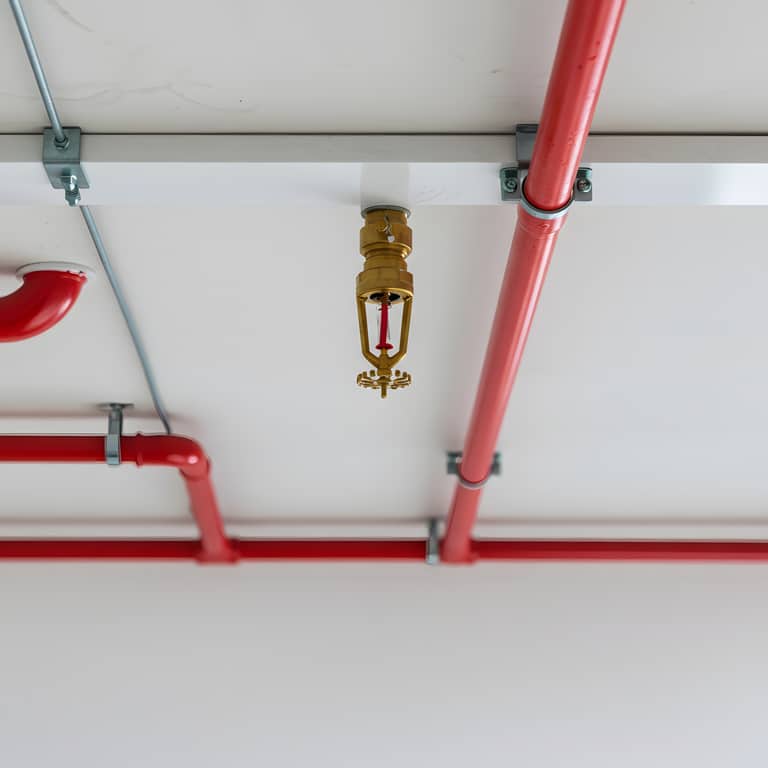
Fire sprinklers operate automatically when heat reaches a specific temperature. The sprinkler head closest to the fire activates and releases water directly onto the flames. Importantly, only the affected sprinkler head operates. This targeted response quickly controls the fire and prevents rapid spread.
Early suppression dramatically reduces fire growth. Flames remain contained within a smaller area and smoke production decreases. Residents therefore gain valuable time while staff initiate evacuation procedures.
This protection becomes especially important during night-time hours. Staffing levels are often lower overnight. Residents may also sleep deeply or struggle to respond to alarms. A sprinkler system acts immediately, even before staff arrive at the scene.
Sprinklers also reduce the likelihood of flashover. Flashover occurs when heat builds rapidly and causes everything in a room to ignite simultaneously. By cooling the fire early, sprinklers prevent this dangerous stage from developing.
Government guidance highlights another key advantage. Sprinklers slow fire spread and extend the time available to evacuate residents safely.
In dementia care settings, that extra time can save lives.
Reducing the Need for Restrictive Fire Safety Measures
Designers traditionally relied on strict compartmentation and controlled access to manage fire risk in care homes. While these measures still play an important role, they sometimes limit resident freedom.
For example, self-closing fire doors often create difficulties for residents with dementia. Heavy doors can confuse residents or prevent independent movement around the building. Locked corridors and restricted zones may also increase agitation.
Sprinkler protection changes the fire safety strategy. Because the system actively suppresses fire growth, designers can adopt more flexible layouts. Some building regulations even allow design trade-offs when sprinklers are installed.
In certain cases, sprinklers allow larger protected areas and more flexible bedroom layouts while still maintaining safety.
This flexibility supports dementia-friendly design principles. Residents can move around the building more freely. Open communal spaces become easier to create. Staff supervision becomes simpler as sightlines improve.
Ultimately, sprinklers help maintain a calm and homely environment while still delivering robust fire protection.
Supporting Progressive Horizontal Evacuation
Most UK care homes use a strategy known as progressive horizontal evacuation. Instead of evacuating the entire building immediately, staff move residents from the affected fire compartment into a neighbouring safe area.
This method works well for residents with mobility difficulties. Staff can move individuals short distances rather than attempting a full building evacuation. Once everyone reaches a safe compartment, staff can assess the situation and prepare further evacuation if necessary.
However, progressive evacuation relies on controlling fire spread. Flames must remain contained long enough for staff to move residents safely.
Sprinklers play a major role here. They limit fire growth at the earliest stage, preventing flames from spreading beyond the origin room. That containment supports the compartmentation strategy and keeps escape routes clear.
As a result, staff gain valuable time and control during emergency situations.
Improving Safety Without Increasing Anxiety
Fire alarms can be distressing for people living with dementia. Loud noise, flashing lights, and urgent instructions may cause confusion or fear. Residents may struggle to understand what is happening.
A sprinkler system reduces the likelihood of severe fire events developing in the first place. When a fire is controlled quickly, evacuation may involve fewer residents and less disruption overall.
This calmer response benefits both residents and staff. Care teams can focus on assisting individuals who need help rather than managing large-scale building evacuations.
Families also gain reassurance from visible safety measures. Knowing that the building includes automatic fire suppression can provide peace of mind when choosing a care home.
Fire Sprinklers and UK Fire Safety Regulations
The UK continues to strengthen fire safety regulations across residential buildings and care facilities. These changes recognise the vulnerability of people living in specialised housing.
From March 2025, all newly built care homes in England must include automatic sprinkler systems as part of their fire safety strategy. The requirement applies regardless of building height or size.
This regulation reflects the growing consensus that sprinklers provide essential protection for vulnerable residents. The systems control fire growth, reduce smoke spread, and support safer evacuation strategies.
Many care providers already install sprinklers voluntarily in refurbishment projects and existing buildings. Doing so enhances safety and may also support regulatory compliance during inspections.
Care home operators also have legal responsibilities under the Regulatory Reform (Fire Safety) Order 2005. The responsible person must ensure appropriate fire precautions remain in place and regularly reviewed through fire risk assessments.
Integrating sprinkler protection strengthens that overall fire safety strategy.
Designing Dementia-Friendly Fire Safety Systems
Fire protection should never undermine the wellbeing of residents. Dementia-friendly design focuses on reducing confusion while promoting independence and comfort.
Sprinkler systems align perfectly with that philosophy. They work quietly in the background without disrupting daily life. Residents rarely notice their presence during normal operation.
Meanwhile, architects can design brighter corridors, open communal spaces, and easier navigation throughout the building. These features support cognitive wellbeing while still maintaining fire safety compliance.
Staff training also plays an important role. Teams must understand how sprinkler systems integrate with alarms, evacuation plans, and fire risk procedures. Regular drills ensure staff remain confident and prepared.
Combining these elements creates a holistic safety strategy. Technology, design, and care practices all work together to protect residents.
The Future of Fire Safety in Dementia Care
The care sector continues to evolve as life expectancy increases and dementia diagnoses rise. Care providers must therefore adapt buildings to meet increasingly complex needs.
Fire safety remains one of the most important considerations. Residents deserve protection without sacrificing comfort, dignity, or independence.
Sprinkler systems represent one of the most effective ways to achieve this balance. They deliver rapid fire suppression, protect vulnerable residents, and support safer building design.
As regulations continue to develop, more care homes across the UK will adopt sprinkler systems as standard practice. This shift will improve safety across the entire sector.
Most importantly, it ensures that dementia care environments remain secure without becoming restrictive.
For care providers seeking expert guidance on compliant fire protection systems, visit us here