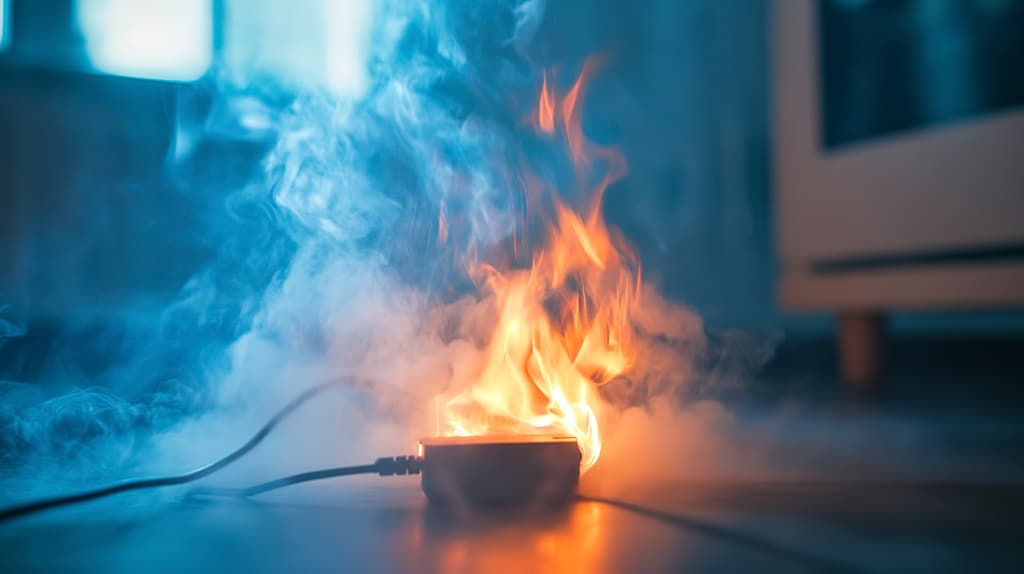
How Fire Sprinklers Control a Fire in the First 60 Seconds explains how quickly modern sprinkler systems react when fire starts in a building. A fire can escalate in seconds, not minutes. Because of this, early suppression matters more than anything else in fire safety design. Fire sprinklers respond automatically and attack the fire at its earliest stage before it grows out of control.
Fire spreads fast through heat, oxygen, and fuel. However, sprinklers break this chain almost instantly. They activate at the source of rising heat and release water directly onto the flames. This early response reduces fire growth and prevents flashover in many cases.
UK fire protection experts like Nationwide Sprinklers design systems that react within seconds of detection. Nationwide Sprinklers follows UK regulations such as BS EN 12845 and BS 9251 to ensure systems perform correctly when lives depend on them.
What Happens in the First 60 Seconds of a Fire
A fire does not develop slowly. It moves through stages very quickly. In the first minute, flames spread, temperatures rise sharply, and smoke fills the space. This stage often decides whether people escape safely or face serious danger.
Sprinklers interrupt this process early. They detect heat at ceiling level and activate only in the affected area. This targeted response prevents unnecessary water use and focuses suppression exactly where the fire starts.
Because of this speed, sprinklers often stop a fire before it spreads beyond the room of origin.
How Fire Sprinklers Detect and Respond So Quickly
Sprinkler heads contain a heat-sensitive glass bulb or fusible link. When air temperature reaches a set level, usually between 57°C and 74°C, the bulb breaks and releases water immediately.
Each sprinkler head works independently. This means only the heads exposed to heat activate. Other areas of the building remain unaffected.
The process happens in seconds and follows a clear sequence:
Heat builds at fire source
Ceiling temperature rises
Sprinkler bulb activates
Water sprays directly onto flames
Fire growth slows or stops
This rapid chain reaction gives buildings a critical safety advantage.
Why Speed Matters in Fire Control
Fire doubles in size roughly every 30 to 60 seconds depending on conditions. That means a small flame can become a major fire in just a few minutes.
Sprinklers interrupt this growth pattern. They cool flames, reduce oxygen intensity, and stop fire from spreading to nearby materials. This limits damage and protects escape routes for occupants.
Fast suppression also supports emergency services. Fire crews often arrive to find fires already controlled or significantly reduced.
How Fire Sprinklers Use Water Effectively
Sprinkler systems do not flood buildings. Instead, they apply water only where heat activates a sprinkler head. This targeted approach keeps damage low while controlling fire spread.
Water cools burning materials and reduces heat output. It also helps prevent re-ignition after initial suppression.
Modern sprinkler systems integrate with alarms and smoke control systems to create a full fire safety strategy. This combined approach improves overall building protection.
UK Standards That Control Sprinkler Performance
British standards ensure fire sprinklers perform reliably across different building types. BS EN 12845 covers commercial and industrial systems. BS 9251 applies to residential and domestic properties.
These standards regulate:
Water pressure levels
Sprinkler spacing
Activation temperatures
Maintenance requirements
Compliance ensures systems activate during the critical first moments of fire development. This consistency protects both property and lives.
Real-World Impact of Fire Sprinklers in the First Minute
Consider a small electrical fault in a shop. A fire starts behind a counter. Within seconds, heat rises and activates a nearby sprinkler head. Water suppresses the flames before they reach stock or displays.
Now imagine a domestic kitchen fire. A pan overheats and ignites nearby materials. A sprinkler activates and controls the fire before it spreads into adjacent rooms.
These examples show how fast response changes outcomes dramatically.
Common Misunderstandings About Fire Sprinklers
Many myths still exist around sprinkler systems.
One common myth suggests all sprinkler heads activate at once. In reality, only the heads exposed to heat respond.
Another misconception claims sprinklers cause major water damage. However, they use far less water than fire hoses.
Some people believe smoke triggers sprinklers. In truth, only heat activates them.
These misunderstandings often delay installation, even though sprinklers consistently reduce risk.
Why Early Suppression Saves Lives and Property
Early fire control reduces heat, smoke, and toxic gas production. This improves survival chances and reduces structural damage.
Buildings with sprinkler systems often experience:
Lower fire damage costs
Faster recovery times
Insurance providers also recognise these benefits and often offer reduced premiums for compliant systems.
How Sprinklers Fit Into Modern Fire Safety Design
Modern buildings rely on integrated safety systems. Sprinklers work alongside alarms, emergency lighting, and ventilation systems.
While alarms warn occupants, sprinklers attack the fire source. This dual approach improves evacuation time and safety outcomes.
Designers now treat sprinklers as essential in many UK building types, especially care homes and high-occupancy buildings.
Why the First 60 Seconds Matter Most
Fire spreads quickly, but sprinklers respond faster. They activate within seconds, control flames early, and prevent escalation.
How Fire Sprinklers Control a Fire in the First 60 Seconds shows why rapid response defines modern fire safety. Every second counts, and sprinklers turn those seconds into protection.
With systems designed by Nationwide Sprinklers and built to UK standards, buildings gain reliable protection that saves lives and reduces damage.