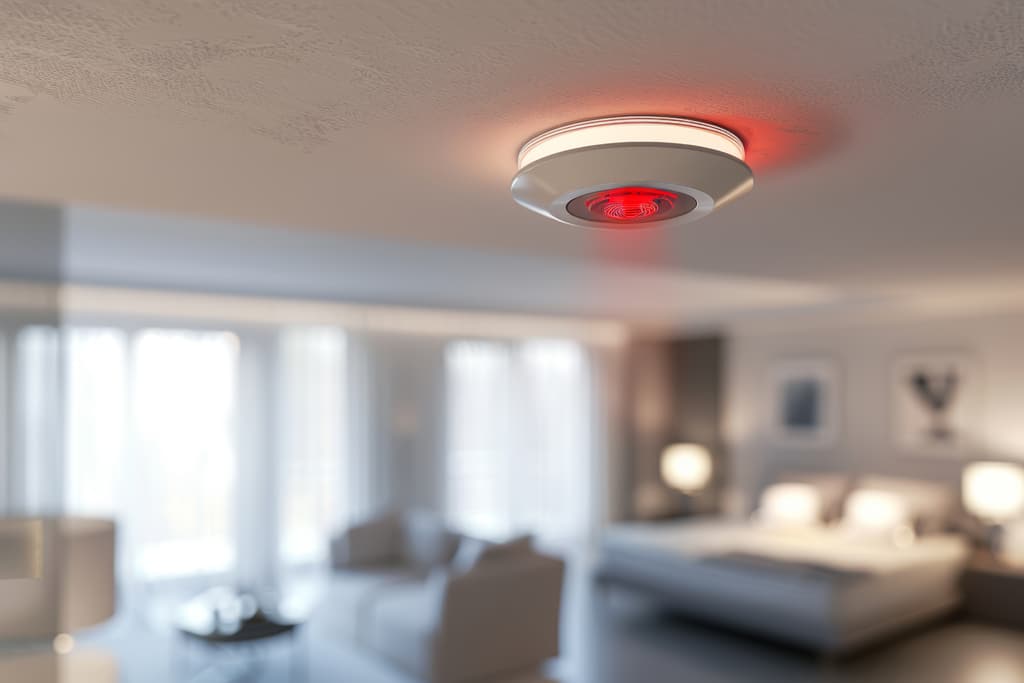
Fire sprinkler systems in the UK are one of the most effective life-safety measures available for protecting people, property, and livelihoods. Yet despite their proven performance, many homeowners, developers, and care providers still misunderstand how they work, what they cost, and the role they play in modern fire safety. This guide explains fire sprinkler systems clearly and practically, helping you understand why they are increasingly recognised as essential rather than optional.
Fire safety is not just about reacting to danger. Instead, it is about controlling risk before it becomes catastrophic. Sprinkler systems do exactly that by detecting, containing, and suppressing fires in their earliest stages, often before the fire service even arrives.
What is a fire sprinkler system?
A fire sprinkler system is an active fire protection system designed to respond automatically when a fire starts. Heat from a developing fire activates individual sprinkler heads, releasing water directly onto the source of the fire. As a result, the fire is controlled or extinguished before it can spread.
Unlike smoke alarms, which only alert occupants, sprinkler systems actively intervene. That distinction is critical. While alarms provide warning, sprinklers provide protection. This difference explains why sprinkler-protected buildings consistently experience far less damage, fewer injuries, and dramatically lower fatality rates.
Modern fire sprinkler systems used in the UK are discreet, reliable, and carefully designed to suit the specific property. Systems are commonly installed in homes, flats, care homes, apartment blocks, commercial buildings, and heritage properties.
How fire sprinkler systems work in practice
Fire sprinkler systems operate individually, not collectively. Contrary to popular belief, all sprinkler heads do not activate at once. Each head responds independently to heat, meaning only the sprinkler closest to the fire will usually operate.
When a fire starts, the surrounding temperature rises rapidly. Once a specific temperature threshold is reached, typically between 57°C and 68°C in residential systems, the heat-sensitive element in the sprinkler head activates. Water is then discharged directly onto the fire.
By acting quickly and locally, sprinkler systems reduce heat, control flames, and prevent fire growth. Smoke production is also reduced, which significantly improves survivability and escape conditions for occupants.
Because systems are designed using precise hydraulic calculations, water is delivered at the correct pressure and flow rate to achieve suppression without unnecessary discharge.
Types of fire sprinkler systems used in the UK
Fire sprinkler systems in the UK are designed in accordance with recognised British and European standards, most commonly BS 9251 for residential buildings and BS EN 12845 for commercial and high-risk properties. The system type selected depends on property size, occupancy risk, and available water supply.
Most residential and domestic installations fall into one of the following categories:
- Mains-fed fire sprinkler systems, which connect directly to the property’s water supply and are suitable where water pressure and flow are sufficient.
- Pump and tank fire sprinkler systems, which store water on site and use a dedicated pump to ensure reliable operation, often required in larger homes, care settings, or buildings with limited mains capacity.
Both options provide effective fire suppression when properly designed. Choosing the correct system is not about preference but suitability, compliance, and long-term reliability.
Why fire sprinkler systems save lives
The life-saving impact of fire sprinkler systems is well documented. Data consistently shows that buildings protected by sprinklers experience significantly fewer fire-related deaths and injuries compared to those without.
One reason is speed. Fires grow exponentially, often becoming unsurvivable within minutes. Sprinklers intervene at the earliest stage, reducing temperatures and preventing flashover. This action buys critical time for occupants to escape safely.
Another factor is reliability. Sprinkler systems do not rely on human intervention. They activate automatically, even if occupants are asleep, incapacitated, or unaware of the fire.
In care homes and supported living environments, this protection is particularly vital. Residents may have limited mobility, cognitive impairments, or require assistance to evacuate. Fire sprinklers reduce the need for immediate evacuation by controlling the fire at source.
Fire sprinkler systems versus smoke alarms
Smoke alarms are essential and legally required in UK homes. However, they do not suppress fires. Instead, they rely on occupants hearing the alarm, understanding the danger, and acting quickly.
Sprinkler systems complement smoke detection by addressing the fire itself. Together, these systems form a layered approach to fire safety that significantly improves outcomes.
Importantly, sprinkler systems also protect property. By controlling the fire early, structural damage is minimised. In many cases, buildings remain habitable following a sprinkler-controlled incident, avoiding displacement and costly repairs.
What do fire sprinkler systems cost in the UK?
The cost of fire sprinkler systems in the UK varies depending on several factors. Property size, system type, water supply, design complexity, and installation requirements all influence pricing.
For domestic properties, sprinkler systems are often more affordable than expected, particularly when installed during new builds or major refurbishments. Retrofitting is also possible and increasingly common, especially in existing homes and care facilities.
While upfront costs exist, it is important to consider long-term value. Fire sprinkler systems reduce the risk of major fire damage, lower insurance losses, and provide ongoing protection for the life of the building.
When viewed in this context, sprinkler systems represent an investment in safety rather than a discretionary expense.
Common myths about fire sprinkler systems
Despite strong evidence, several misconceptions persist. One common belief is that sprinkler systems cause excessive water damage. In reality, sprinklers use significantly less water than fire-fighting hoses. A single sprinkler head releases water directly onto the fire, whereas fire service intervention often involves thousands of litres spread across multiple rooms.
Another myth suggests that sprinklers activate accidentally. Modern systems are highly reliable, and accidental activations are extremely rare. Sprinkler heads are activated by heat, not smoke, and are designed to withstand everyday environmental conditions.
Concerns about aesthetics are also outdated. Today’s sprinkler heads are compact, discreet, and available in concealed designs that blend seamlessly into ceilings.
Fire sprinkler regulations and standards in the UK
Fire sprinkler systems in the UK must be designed and installed to meet recognised standards. Residential systems typically follow BS 9251:2021, while commercial systems comply with BS EN 12845.
Regulatory requirements continue to evolve, particularly following high-profile fire incidents and changes to building safety legislation. In some sectors, including care homes and high-risk residential buildings, sprinkler installation is now mandatory.
Working with an experienced, accredited sprinkler contractor ensures systems meet current standards and are accepted by building control, insurers, and fire authorities.
Design, installation, and ongoing maintenance
A compliant fire sprinkler system begins with professional design. This stage includes site surveys, risk assessment, CAD drawings, and hydraulic calculations to ensure correct performance.
Installation is carried out by trained engineers using approved components. Once installed, systems are tested and commissioned before handover.
Ongoing maintenance is essential. Regular servicing ensures the system remains operational and compliant throughout its lifespan. Annual inspections are typically required, particularly in commercial and care environments.
Why fire sprinkler systems are becoming standard in UK buildings
Fire sprinkler systems in the UK are increasingly viewed as a baseline safety measure rather than a specialist upgrade. Rising construction complexity, open-plan layouts, and vulnerable occupancies all increase fire risk.
As regulations tighten and awareness grows, sprinklers are becoming a logical and responsible choice for protecting people and property. Developers, homeowners, and care providers are recognising that early fire suppression saves lives, reduces losses, and supports safer communities.
Final thoughts
Fire sprinkler systems in the UK provide proven, reliable protection against one of the most devastating risks any building can face. By acting quickly and automatically, they control fires before they escalate, safeguarding lives and minimising damage.
Understanding how sprinkler systems work, what they cost, and why they matter allows informed decisions to be made. Whether for a private home, care facility, or commercial property, sprinkler systems offer peace of mind that passive measures alone cannot deliver.