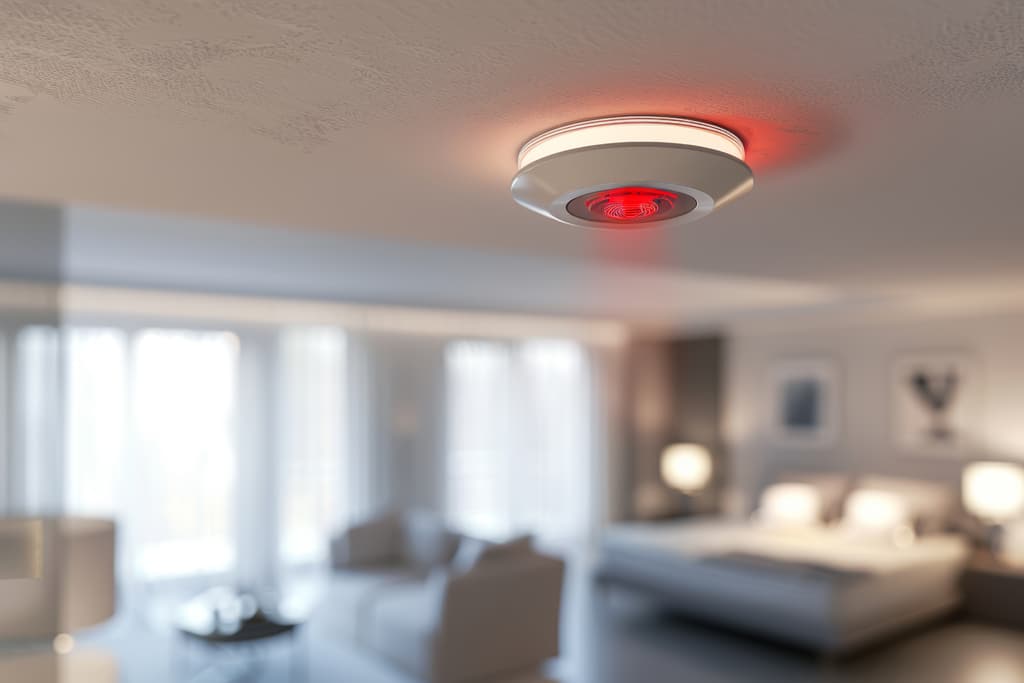
Domestic fire sprinkler installation helps homeowners improve fire safety during new builds, extensions, and major refurbishments. Many people understand the purpose of residential sprinkler systems but remain unsure about the process. Uncertainty often centres on disruption, water use, and compliance. Clear information removes that doubt and supports confident decisions.
This guide explains what happens during domestic fire sprinkler installation, from the first survey through to final sign-off.
Why homeowners choose domestic fire sprinkler installation
Domestic fire sprinkler systems control fires at an early stage. Each sprinkler head reacts to heat. Smoke does not trigger the system. Only the sprinkler closest to the fire releases water.
This targeted response limits fire growth and protects escape routes. Homeowners often consider sprinklers alongside smoke alarms and fire-resistant materials. Many choose installation during building works to reduce disruption later.
Survey requirements for domestic fire sprinkler installation
Every domestic fire sprinkler installation starts with a detailed site survey. The survey shapes the system design. Installers assess room layouts, ceiling heights, construction methods, and building use.
Water supply checks form a key part of this stage. Installers measure flow rate and pressure to confirm suitability. Where mains supply falls short, the design may include a storage tank and pump. Early identification prevents later delays.
The survey also confirms whether installation will take place during construction or within an existing home. Each option affects access, timescales, and pipe routes.
Designing a residential fire sprinkler system
After completing the survey, installers create a system design tailored to the property. The design defines sprinkler head locations, pipe routes, and system type. Designers aim for full coverage with minimal visual impact.
Sprinkler head placement follows heat-response principles. Pipe routes avoid unnecessary disruption. In many homes, installers run pipework within floors, ceilings, or walls. Where exposure remains unavoidable, discreet finishes reduce visual impact.
Designers follow recognised UK standards for residential fire sprinkler systems. These standards set performance expectations for domestic environments.
Water supply options for domestic fire sprinklers
Homeowners often worry about water damage. Domestic fire sprinkler systems do not flood properties. Heat activates only the nearest sprinkler head.
Some homes use a mains-fed system. Others rely on stored water with a pump. Survey findings determine the most suitable option. Designers then specify a supply method that delivers reliable performance during a fire.
Clear explanation at this stage builds homeowner confidence.
Installing fire sprinklers in a private home
Installation time depends on property size and project stage. New builds allow easier access for pipework. Existing homes require careful sequencing to limit disruption.
Installers usually work room by room. Pipework installation comes first. Sprinkler heads and controls follow. Clear scheduling helps homeowners understand daily access requirements.
Careful planning supports efficient progress while protecting finishes.
Testing and commissioning domestic fire sprinkler systems
Once installation finishes, installers carry out testing and commissioning. This stage confirms correct operation. Engineers check flow rates, pressure levels, valves, and controls.
Visual inspections confirm correct sprinkler placement. Installers complete adjustments before approval. Commissioning verifies that the system will perform as intended.
Installers also explain basic system operation to homeowners. Domestic systems require minimal ongoing input.
Sign-off and certification for residential sprinkler systems
Formal sign-off completes the installation process. This stage confirms compliance with the approved design and relevant standards. Installers provide documentation at this point.
Homeowners receive records showing system layout, specifications, and commissioning results. These documents support building control requirements and insurance discussions. Safe storage simplifies future work.
Domestic fire sprinkler installation and wider home fire safety
Domestic fire sprinkler installation supports a wider fire safety strategy. Smoke alarms, escape planning, and suitable materials all contribute. Sprinklers provide active protection when occupants cannot respond.
Clear understanding of the installation process supports informed decision-making. Homeowners benefit from knowing what to expect at every stage.
Nationwide Sprinklers outlines its approach to domestic fire sprinkler installation through its dedicated page on domestic and residential sprinkler systems:
https://nationwidesprinklers.co.uk/domestic-and-residential-sprinkler-systems/
Independent guidance on home fire safety, including sprinkler use, is available from the UK government at:
https://www.gov.uk/fire-safety-home